
Japanese bottle opener aesthetic transcends mere practicality; it’s a microcosm reflecting profound cultural values and design principles. From minimalist forms to meticulously crafted details, these openers offer a captivating glimpse into the heart of Japanese aesthetics. This exploration delves into the historical, visual, and functional elements of this unique design philosophy, examining how it has evolved and influenced contemporary design trends.
The aesthetic, deeply rooted in Japanese design principles, emphasizes harmony, balance, and functionality. Visual characteristics often incorporate subtle symbolism and imagery, while the choice of materials reflects the value placed on craftsmanship and natural beauty. This meticulous approach to design, from traditional to modern interpretations, is explored in detail, providing a comprehensive understanding of the Japanese bottle opener aesthetic.
Defining the Aesthetic
The Japanese bottle opener aesthetic transcends mere functionality, embodying a unique blend of artistry, craftsmanship, and cultural significance. It often showcases meticulous attention to detail, employing materials and designs that evoke a sense of serenity and elegance. This aesthetic is deeply rooted in Japanese design principles, reflecting a philosophy that prioritizes simplicity, balance, and harmony.This aesthetic manifests not only in the physical form of the bottle opener but also in the symbolic meaning it carries.
Japanese bottle openers are often imbued with cultural narratives and artistic expressions that resonate with the user’s appreciation for Japanese aesthetics. These pieces serve as a portal into a rich history and cultural heritage, making them valuable collector’s items.
Visual Elements
Japanese bottle openers frequently incorporate elements that contribute to their aesthetic appeal. These range from minimalist forms to intricate details, all contributing to the overall impression of grace and refinement. The visual elements are carefully considered to achieve a balance between practicality and visual beauty. Geometric shapes, flowing curves, and delicate patterns are often present.
Cultural and Historical Influences
The design of Japanese bottle openers is profoundly shaped by the country’s rich cultural and historical context. Traditional Japanese design principles, likewabi-sabi* (finding beauty in imperfection), influence the aesthetic, leading to a unique blend of simplicity and sophistication. The influence of Zen Buddhism, with its emphasis on serenity and harmony, is also evident in the design, as is the historical tradition of exquisite craftsmanship and attention to detail in creating objects.
This emphasis on craftsmanship, combined with an appreciation for natural materials, produces a unique and distinctive aesthetic.
Materials
The choice of materials for Japanese bottle openers is often deliberate and symbolic. Wood, bamboo, metal, and even ceramic are frequently employed, each material contributing its unique qualities to the overall aesthetic. Wood, with its natural grain patterns, often lends a sense of warmth and grounding. Bamboo, with its light and airy nature, evokes a sense of natural elegance.
Metal, whether polished or etched, offers a sense of strength and durability. Ceramic, with its smooth, polished surface, brings an element of refinement and artistry.
Types of Japanese Bottle Openers
The world of Japanese bottle openers encompasses a spectrum of styles, each representing a distinct approach to design.
- Traditional: These openers often draw inspiration from traditional Japanese crafts, such as lacquerware or metalwork. They emphasize intricate patterns, meticulous detail, and the use of natural materials like wood and bamboo. They embody a timeless quality, reflecting the enduring traditions of Japanese craftsmanship.
- Modern: Modern Japanese bottle openers push the boundaries of design while retaining a sense of elegance and minimalism. They often utilize sleek lines, contemporary materials, and innovative approaches to form. These pieces reflect the dynamic nature of Japanese design, blending tradition with innovation.
- Minimalist: These openers prioritize simplicity and functionality. They emphasize clean lines, smooth surfaces, and the use of understated materials. Minimalist designs often highlight the beauty of the material itself, showcasing its inherent elegance and strength. This style is popular due to its universality and appreciation for functionality.
Visual Characteristics

Japanese bottle openers, reflecting a deep-seated cultural appreciation for aesthetics, often feature intricate designs and symbolic elements. Beyond mere functionality, these tools serve as miniature expressions of Japanese artistry, showcasing a blend of traditional motifs and contemporary interpretations. Their visual appeal frequently transcends their utilitarian purpose, making them desirable collector’s items.The visual language of Japanese bottle openers provides a window into the nation’s rich design heritage, encompassing elements from nature, art, and symbolism.
These meticulously crafted pieces are not simply functional tools; they are expressions of cultural identity, conveyed through a unique combination of form, color, and imagery.
Color Palettes
Japanese aesthetics often favor muted tones and natural color palettes, evoking a sense of serenity and harmony with nature. Common color choices in bottle openers include shades of indigo, charcoal grey, and various earthy tones like ochre and burnt sienna. These colors, often inspired by traditional Japanese ink paintings and calligraphy, create a sophisticated and visually appealing product.
Shapes and Forms
Japanese bottle openers often exhibit a blend of traditional and contemporary shapes. Geometric forms, inspired by Japanese architectural styles, are frequently employed, including circles, squares, and triangles. The incorporation of organic shapes, drawn from nature, adds a dynamic element to the design, mirroring the fluidity and natural beauty inherent in Japanese aesthetics. Examples include stylized representations of bamboo stalks or blossoming cherry blossoms.
Comparison with Other Cultures
Compared to bottle openers from other cultures, Japanese designs often emphasize minimalist aesthetics and symbolic representation. While Western bottle openers might feature bold graphics or vivid colors, Japanese designs often prioritize understated elegance and the careful selection of symbolic elements. This difference in aesthetic focus reflects contrasting cultural values and artistic traditions. For instance, Japanese designs might feature subtle representations of the crane, a symbol of longevity and good fortune, while Western designs might use more literal depictions.
Symbolism and Imagery
Japanese bottle openers frequently incorporate symbolism and imagery drawn from Japanese culture. Motifs like the cherry blossom, representing ephemeral beauty and resilience, are commonly used. The crane, a symbol of longevity and good fortune, is another recurring motif. These symbolic elements add layers of meaning to the design, connecting the opener to a broader cultural context. In some cases, specific patterns might reflect a particular region or historical period.
Textures and Patterns
The tactile experience of Japanese bottle openers is often as important as their visual appeal. Textures, such as brushed metal or subtly etched patterns, are employed to create a sense of depth and visual interest. Patterns, including traditional Japanese woodblock prints or subtle floral motifs, enhance the aesthetic and add an extra layer of craftsmanship.
Table of Visual Elements
| Visual Element | Description | Example |
|---|---|---|
| Color Palettes | Muted tones, natural colors, inspired by traditional Japanese ink paintings. | Shades of indigo, charcoal grey, ochre, burnt sienna. |
| Shapes and Forms | Geometric forms (circles, squares, triangles) combined with organic shapes (stylized bamboo, cherry blossoms). | Bottle opener shaped like a stylized crane, a geometrically precise square opener with etched cherry blossoms. |
| Symbolism and Imagery | Incorporates motifs like cherry blossoms, cranes, or other culturally significant symbols. | A bottle opener featuring a delicate etched cherry blossom pattern, or a crane taking off in flight. |
| Textures and Patterns | Subtle textures like brushed metal, etched patterns, or traditional Japanese woodblock print inspired patterns. | A bottle opener with a brushed stainless steel finish, or one with a subtle, repeating pattern of cherry blossoms. |
Design Principles
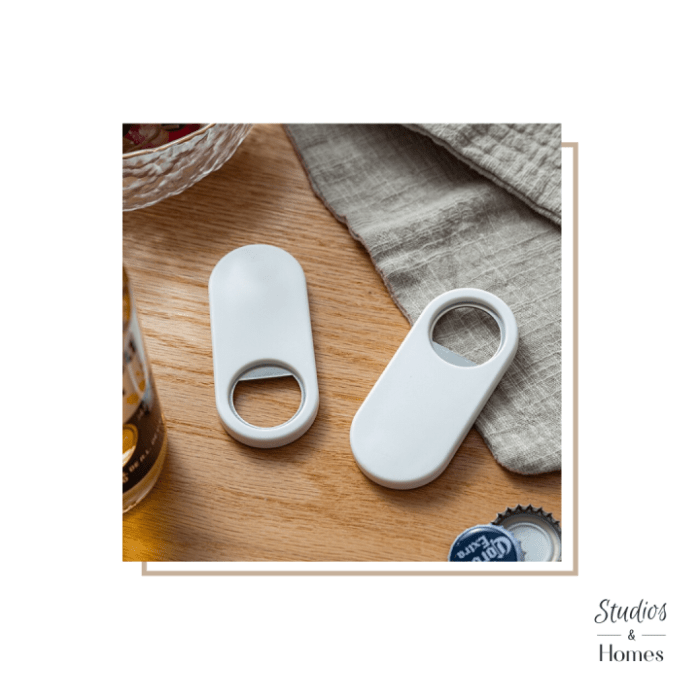
Japanese design, renowned for its understated elegance and enduring appeal, is deeply rooted in a philosophy that prioritizes harmony, functionality, and a deep respect for materials. This approach translates into a meticulous consideration of every element, from the raw material to the final product’s interaction with the user. The Japanese bottle opener design, reflecting this philosophy, will strive to achieve a balance of aesthetic beauty and practical utility.
Minimalism and Simplicity
Japanese design often embraces minimalism, prioritizing essential forms and eliminating extraneous details. This approach emphasizes the inherent beauty of simplicity, allowing the object’s core function and inherent elegance to shine through. The goal is to create designs that are not just aesthetically pleasing but also intuitively understood and effortlessly used. A minimalist design for a bottle opener might feature clean lines, a single, unadorned handle, and a focus on the mechanics of opening a bottle.
Functionality and Practicality
Functionality is paramount in Japanese design. The focus is on creating objects that are not only beautiful but also serve their purpose efficiently and effectively. A bottle opener, for example, must open bottles with ease and precision, ensuring a smooth and effortless experience for the user. This consideration of practicality ensures that the design is both aesthetically pleasing and inherently useful.
The bottle opener should function with a satisfying ease of use, requiring minimal force to achieve its purpose.
Craftsmanship and Attention to Detail
Japanese design values meticulous craftsmanship and a profound attention to detail. Each element of the design, from the material selection to the finish, is carefully considered. This dedication to quality is evident in the precision and care that go into creating the object, ensuring that every aspect of the design, from the curvature of the handle to the seamless integration of the opening mechanism, reflects the meticulous attention to detail.
A high-quality bottle opener might showcase a smooth finish, precisely fitted components, and a feeling of substantial weight.
Natural Materials
Natural materials are frequently employed in Japanese design, reflecting a deep connection with the environment and a reverence for natural beauty. The use of natural materials, such as wood, bamboo, or stone, brings a warmth and authenticity to the design. A bottle opener made from natural materials might employ bamboo for the handle, showcasing its natural grain and color, or incorporate a wooden base, echoing the tactile comfort of natural materials.
Harmony and Balance
Japanese design emphasizes the concept of harmony and balance. This involves achieving a visual and functional equilibrium between different elements of the design. The bottle opener, in this context, should not only function well but also appear balanced and aesthetically pleasing. The design should create a harmonious and aesthetically pleasing whole, blending the functionality with the aesthetic.
Design Principles Table
| Design Principle | Explanation | Example (Bottle Opener) |
|---|---|---|
| Minimalism | Prioritizes essential forms and eliminates unnecessary details. | A bottle opener with clean lines, a single handle, and a focus on the opening mechanism. |
| Functionality | Prioritizes the object’s ability to perform its intended purpose efficiently. | A bottle opener that opens bottles with ease and precision, requiring minimal force. |
| Craftsmanship | Emphasizes meticulous execution and attention to detail in every aspect of the design. | A bottle opener with a smooth finish, precisely fitted components, and a feeling of substantial weight. |
| Natural Materials | Incorporates materials like wood, bamboo, or stone to create a connection with nature. | A bottle opener with a bamboo handle or a wooden base. |
| Harmony & Balance | Achieves visual and functional equilibrium between design elements. | A bottle opener that is both aesthetically pleasing and functions effectively. |
Cultural Context
Japanese design, renowned for its meticulous attention to detail and harmonious integration with the surrounding environment, extends to seemingly mundane objects like bottle openers. This meticulousness is deeply rooted in Japanese aesthetics, where functionality and artistry seamlessly intertwine. Beyond their practical purpose, bottle openers can become potent symbols of cultural values and traditions, reflecting a nuanced understanding of beauty and craftsmanship.Japanese culture places significant value on aesthetics, often termed “侘び寂び (wabi-sabi)”.
This philosophy embraces imperfection, impermanence, and the beauty found in natural simplicity. Bottle openers, as objects of daily use, can embody these principles through their design and materials. The interplay of form and function, often seen in traditional Japanese crafts, is reflected in bottle openers, highlighting the importance of balance and harmony.
Role of Bottle Openers in Japanese Culture
Bottle openers, while seemingly simple tools, are integral to Japanese social and cultural life. Their use is not merely confined to the act of opening a bottle; they represent an expression of Japanese design principles and cultural identity. The careful consideration of materials, form, and craftsmanship inherent in their creation reflects the deep-seated respect for tradition and artistry in Japanese culture.
Significance of Aesthetics in Japanese Society
Aesthetics play a crucial role in Japanese society, shaping design choices in all aspects of life. From architecture to fashion, art to everyday objects, aesthetics are valued as a way to connect with tradition, appreciate beauty, and express cultural identity. The design of a bottle opener, for example, can convey a sense of refinement and craftsmanship, resonating with the cultural appreciation for the intricate details of traditional Japanese art forms.
Relationship Between Bottle Openers and Traditional Japanese Art Forms
The meticulous attention to detail in Japanese bottle openers often mirrors the aesthetic principles of traditional Japanese art forms like ceramics, calligraphy, and woodblock prints. The use of natural materials, the emphasis on minimalism, and the exploration of asymmetry in the design of bottle openers resonate with these artistic traditions. The elegance and restraint of these forms find a parallel in the refined designs of many Japanese bottle openers.
Potential Symbolism Behind the Designs
The designs of Japanese bottle openers can carry symbolic weight. For example, the use of specific colors or patterns may allude to particular elements of Japanese culture, nature, or history. The incorporation of traditional motifs, like cherry blossoms or waves, could evoke a sense of connection to the past and natural beauty. Careful consideration of these design choices is crucial to understanding the subtle symbolism embedded within each bottle opener.
Historical Overview of Japanese Bottle Opener Design
The history of Japanese bottle openers reflects the evolving aesthetics and cultural values of the nation. Early bottle opener designs may have been simple and functional, reflecting the prevailing design trends of the time. However, as Japanese design evolved, so did the bottle opener designs, reflecting a continuous process of refinement and innovation. Over time, a distinct Japanese aesthetic emerged, marked by the seamless integration of form and function.
How Bottle Openers Can Represent Japanese Traditions
Japanese bottle openers can be powerful representations of Japanese traditions through their design. By incorporating traditional motifs, using natural materials, and employing meticulous craftsmanship, bottle openers can serve as tangible expressions of Japanese aesthetics. These objects can thus contribute to a deeper understanding and appreciation of Japanese culture for those who encounter them.
Modern Interpretations
The Japanese bottle opener aesthetic, steeped in tradition and artistry, is undergoing a fascinating evolution in contemporary design. Modern interpretations often blend traditional elements with innovative materials and techniques, resulting in pieces that are both aesthetically pleasing and functionally sound. This shift reflects a broader trend in design where cultural heritage is recontextualized for a global audience, while still retaining the core principles of elegance and craftsmanship.Contemporary designers are not simply replicating historical forms; they are reimagining them through the lens of modern sensibilities.
This reimagining often involves a careful selection of materials and manufacturing processes, producing unique pieces that evoke a sense of both heritage and modernity. This fusion of tradition and innovation is crucial in keeping the aesthetic relevant and engaging for a new generation.
Examples of Modern Interpretations
Modern interpretations often feature a departure from traditional materials, embracing new metals and innovative finishes. Stainless steel, titanium, and even recycled materials are being explored to create sleek, minimalist designs. The use of laser-cutting and 3D printing allows for intricate patterns and complex geometries that would have been impossible to achieve with traditional techniques. Some modern designs showcase a clean, minimalist aesthetic, while others retain more ornate details, but with a modern twist.
Reimagining the Aesthetic by Contemporary Artists and Designers
Contemporary artists and designers are reimagining the aesthetic through experimentation with form and function. For instance, a bottle opener might be integrated into a larger piece of functional art, such as a wall-mounted organizer or a decorative tray. This integration allows the bottle opener to serve a dual purpose, combining practicality with artistry. The minimalist approach, characteristic of modern design, is also prevalent, with streamlined shapes and a focus on essential features.
This emphasizes the elegance and simplicity of the design, often featuring smooth lines and subtle details.
Modern Materials in Design
Modern bottle openers frequently employ materials that were not available or readily used in traditional production. Stainless steel, with its inherent strength and polished finish, is a popular choice. Titanium, with its light weight and strength, is another material finding its way into modern designs. The use of recycled metals, like recycled aluminum or steel, is becoming increasingly important, reflecting a focus on sustainability and environmental consciousness.
Additionally, the application of advanced manufacturing techniques allows for intricate designs that were impossible with traditional materials.
Evolution of the Aesthetic Over Time
The aesthetic has evolved from a purely functional tool to a decorative item. Initial designs were focused on practicality and ease of use. As time progressed, the incorporation of aesthetic elements, such as intricate patterns and elaborate forms, became increasingly prevalent. This evolution showcases the integration of artistry with functionality, a hallmark of Japanese design traditions. The current trend is a fusion of these two elements, producing pieces that are both beautiful and useful.
Comparison of Traditional and Modern Interpretations
| Characteristic | Traditional Japanese Bottle Opener | Modern Japanese Bottle Opener |
|---|---|---|
| Materials | Typically wood, metal alloys, or bone | Stainless steel, titanium, recycled materials, or composites |
| Design | Often featuring intricate carvings, engravings, or symbolic patterns | Clean, minimalist designs with smooth lines and subtle details, sometimes incorporating geometric patterns or laser-cut designs. |
| Function | Primarily functional | Balancing function with aesthetics; often integrated into larger pieces of functional art. |
| Production Method | Hand-crafted techniques, often involving traditional metalworking | Combining traditional and modern manufacturing techniques, like CNC machining or 3D printing. |
Materials and Craftsmanship
Japanese bottle openers, imbued with a rich cultural heritage, often showcase meticulous craftsmanship and a deep appreciation for the inherent beauty of materials. Beyond their functional purpose, these objects serve as miniature expressions of Japanese aesthetic principles, emphasizing the harmony between form and function. The choice of material, from traditional woods to contemporary metals, contributes significantly to the overall aesthetic and reflects the values of the era in which they were created.The selection of materials and the execution of craftsmanship in Japanese bottle openers speak volumes about the values of the culture.
The careful consideration of material properties, coupled with the meticulous techniques employed in shaping and finishing the objects, reveals a dedication to quality and detail. This attention to detail extends beyond the immediate form, reflecting a broader commitment to the process itself, which in turn elevates the object beyond its simple utility.
Traditional Materials
Japanese bottle openers frequently utilize materials that are deeply rooted in the country’s history and culture. Wood, in various species and finishes, is a prominent choice, often showcasing the natural grain and subtle variations in color. Bamboo, with its inherent strength and elegant texture, is another popular option, often employed in conjunction with other materials for intricate designs.
Bronze and other metals, including copper, are also commonly used, each with its own distinct visual character.
Crafting Methods
The creation of these bottle openers often involves a series of traditional techniques. Carving, a hallmark of Japanese artistry, is frequently employed for wooden and bamboo designs, revealing intricate patterns and delicate details. Metalworking, with its emphasis on precision and control, is used for bronze and other metal pieces, resulting in objects that are both aesthetically pleasing and functionally sound.
These traditional methods ensure the quality of the final product, highlighting the dedication to meticulous craftsmanship.
Craftsmanship in Japanese Design
Craftsmanship holds an unparalleled position in Japanese design. The emphasis on meticulous execution, a respect for the material, and the pursuit of perfection are integral elements of this aesthetic. This focus on detail extends beyond the object itself, reflecting a broader societal value that extends into various aspects of Japanese life, including design, art, and even everyday activities.
This emphasis on quality and attention to detail is often reflected in the objects themselves, as well as in the overall cultural ethos.
Unique Materials
Beyond the traditional materials, contemporary Japanese bottle openers frequently incorporate unique materials, such as lacquered wood, showcasing a combination of beauty and durability. The application of lacquer, a traditional Japanese technique, enhances the wood’s natural beauty and protects it from the elements, producing a captivating visual effect. Other unique materials, such as ceramic or stone, might be used for specific designs, adding a layer of texture and visual interest.
The inclusion of these unique materials often reflects a desire to innovate while maintaining a connection to tradition.
Material Contribution to Aesthetics
The choice of material significantly impacts the overall aesthetic of a Japanese bottle opener. Wood, with its warm tones and natural textures, often evokes a sense of serenity and connection to nature. Metal, with its cool tones and smooth surfaces, can project an aura of strength and elegance. The unique combination of materials, textures, and finishes creates a visual symphony that resonates with the values and principles of Japanese aesthetics.
Materials and Visual Qualities
| Material | Visual Qualities |
|---|---|
| Wood (e.g., cherry, maple) | Warm tones, natural grain patterns, tactile variations |
| Bamboo | Elegant texture, natural striations, lightweight |
| Bronze | Rich patina, warm tones, smooth surface |
| Lacquered Wood | Intense color, glossy finish, enhanced durability |
| Ceramic | Varied colors, smooth surface, intricate designs |
Functionality and Usability
Japanese design, renowned for its elegance and minimalism, prioritizes functionality as an integral aspect of the aesthetic. This focus extends to bottle openers, where the design balances aesthetic appeal with practical usability. The harmonious integration of form and function is a hallmark of Japanese design philosophy, reflecting a deep understanding of the user’s needs and the materials’ inherent properties.The design of a Japanese bottle opener often incorporates intuitive mechanisms.
A smooth, uncluttered form, combined with a material that offers a secure grip, exemplifies this approach. This philosophy translates into a user experience that is both aesthetically pleasing and exceptionally practical. The materials selected not only enhance the visual appeal but also contribute to the opener’s overall functionality.
Importance of Materials in Functionality
The choice of materials significantly impacts the bottle opener’s functionality. High-quality metals, such as stainless steel or hardened copper, provide durability and resistance to wear and tear, ensuring the opener’s longevity. The weight and texture of these materials contribute to the user experience, providing a comfortable grip and a satisfying tactile interaction. Wooden bottle openers, often crafted with meticulous attention to detail, offer a different aesthetic and tactile experience, emphasizing the natural beauty of the wood.
However, their durability may be less than metal counterparts, particularly for frequent use.
Ergonomic Designs
Japanese designers often employ ergonomic principles in bottle opener design. A thoughtfully shaped handle, for instance, can provide a comfortable grip, reducing strain during use. The balance between the weight and size of the opener, along with the placement of the opening mechanism, directly affects the user’s experience. This user-centric approach considers how the opener will be used in everyday scenarios, ensuring it’s both practical and comfortable to use.
Addressing User Needs
Japanese bottle openers are designed with a keen understanding of user needs. The shape and size of the opener are often tailored to the typical size and shape of hands, ensuring a secure and comfortable grip. The design of the opening mechanism is equally critical, requiring minimal effort to open a variety of bottle types, from standard beverages to specialty containers.
This thoughtful consideration for the user experience contributes to the overall satisfaction and appreciation of the product.
Bottle Opener Design Table
| Design | Material | Opening Mechanism | Functional Explanation |
|---|---|---|---|
| Traditional Japanese Steel | High-carbon stainless steel | Lever | Durable and efficient; smooth leverage provides effortless opening, suitable for most bottle types. |
| Bamboo Grip | Bamboo | Lever | Sustainable material with a comfortable, natural grip; suitable for casual use but might not be as durable as metal. |
| Modern Minimalist | Anodized aluminum | Thumb-operated lever | Lightweight and sleek design; requires precise thumb placement for opening, but offers a streamlined aesthetic. |
| Hand-forged Copper | Hand-forged copper | Twist | A visually striking opener with a unique tactile experience; potentially less efficient than other mechanisms for larger bottles. |
Market Trends and Influences
Japanese-inspired design, particularly in the realm of consumer goods, continues to command global attention. The meticulous craftsmanship, aesthetic minimalism, and deep cultural roots of Japanese design resonate with consumers seeking unique and sophisticated products. This trend is influencing a diverse range of industries, and the design of bottle openers, with their often-overlooked role as functional art, is no exception.
Current Market Trends for Japanese-Inspired Products
The global market is increasingly drawn to Japanese aesthetics. This is evident in the rising demand for products showcasing Japanese minimalism, intricate details, and a focus on sustainability. Japanese-inspired designs often incorporate traditional motifs and techniques, adding a layer of cultural richness and appeal to the items. These trends are observed across a spectrum of industries, from fashion and technology to home goods and accessories.
Examples include the popularity of Japanese-style gardens, minimalist furniture, and the embrace of sustainable packaging.
Influences on the Design of Japanese Bottle Openers
Japanese design philosophy, encompassing principles like 侘び寂び (wabi-sabi), emphasizes the beauty found in imperfection and simplicity. Bottle openers, while seemingly simple tools, can be crafted to embody these ideals. Materials like bamboo, wood, or metal, often used in traditional Japanese craft, are employed to create bottle openers that are not only functional but also aesthetically pleasing. The incorporation of minimalist shapes and muted color palettes further enhances this aesthetic.
The influence of Japanese design is evident in the use of natural materials, the emphasis on craftsmanship, and the integration of traditional patterns and symbols.
Impact of Cultural Exchange on Japanese Design
Globalization and cultural exchange have significantly impacted Japanese design. Exposure to international design trends has led to innovative adaptations and reinterpretations of traditional Japanese aesthetics. This fusion of styles often results in unique products that appeal to a broader audience. For example, Japanese ceramic artists may incorporate elements of Scandinavian minimalism into their designs, or Japanese furniture designers might introduce modern materials into their pieces, while still adhering to core Japanese design principles.
Popularity of Japanese Aesthetics Globally
The global popularity of Japanese aesthetics stems from several factors. The meticulous craftsmanship, emphasis on quality, and strong cultural identity behind Japanese design all contribute to its appeal. Furthermore, the widespread appreciation for Japanese animation, manga, and other forms of popular culture has fueled interest in Japanese design elements. This widespread appeal is evident in the success of Japanese brands in various industries, demonstrating a universal recognition of the inherent appeal of Japanese aesthetics.
Potential of Japanese Bottle Opener Aesthetics in Other Design Fields
The aesthetic principles of Japanese bottle openers, rooted in minimalism, craftsmanship, and cultural significance, offer a valuable template for design in other fields. The use of natural materials, emphasis on functional beauty, and exploration of subtle aesthetics could inspire innovative approaches to product design, from tableware and home goods to technological devices. The integration of traditional Japanese aesthetics into modern contexts can create unique and appealing designs, bridging the gap between tradition and innovation.
Summary of Market Trends
| Trend | Description | Examples |
|---|---|---|
| Rising Demand for Japanese Aesthetics | Consumers are increasingly drawn to products showcasing Japanese minimalism, intricate details, and a focus on sustainability. | Japanese-style gardens, minimalist furniture, sustainable packaging. |
| Fusion of Styles | Globalization and cultural exchange lead to innovative adaptations and reinterpretations of traditional Japanese aesthetics. | Japanese ceramic artists incorporating Scandinavian minimalism, Japanese furniture designers introducing modern materials. |
| Emphasis on Quality and Craftsmanship | Japanese design emphasizes quality, attention to detail, and traditional techniques. | High-quality Japanese tableware, artisanal crafts. |
Illustrative Examples
Japanese bottle openers, often imbued with artistry and functionality, reflect a deep-seated cultural appreciation for aesthetics and meticulous craftsmanship. Beyond their practical purpose, these openers serve as tangible expressions of Japanese design principles, seamlessly integrating form and function. Their appeal extends far beyond the purely utilitarian, capturing the attention of collectors and design enthusiasts alike.Beyond the general aesthetic appeal, specific examples illuminate the diverse approaches and historical influences shaping these objects.
These examples demonstrate the evolution of design, showcasing the materials, craftsmanship, and cultural nuances inherent in Japanese bottle openers. From traditional techniques to modern interpretations, the diversity within this category underscores the enduring appeal of Japanese design.
Specific Examples of Japanese Bottle Openers
Japanese bottle openers encompass a wide spectrum of designs, reflecting the country’s rich artistic heritage and innovative spirit. These examples represent a range of styles, from minimalist to elaborate, and each speaks to the dedication to quality and craftsmanship.
- The “Tsuba” Inspired Bottle Opener: This design draws inspiration from the tsuba, the protective guard of a Japanese sword. The intricate metalwork often features stylized floral motifs, symbolic animals, or abstract patterns, mirroring the aesthetic of traditional Japanese sword fittings. The material is typically high-carbon steel, showcasing meticulous forging and polishing techniques. This design emphasizes the harmonious blend of practicality and artistry.
The cultural significance lies in the connection to a historical symbol of strength and beauty.
- The “Folding Sen” Bottle Opener: This compact design often utilizes a folding mechanism, inspired by traditional Japanese folding fans ( sensu). The mechanism is highly functional, enabling easy opening and closure. The material choices often include polished stainless steel, or lacquered wood with metal accents, reflecting a balance between modernity and tradition. The opener’s compactness and elegance align with Japanese principles of minimalism.
The historical significance lies in its embodiment of innovative design principles that integrate practicality and portability.
- The “Bamboo-Inspired Bottle Opener”: This design employs natural bamboo, carved and shaped to create a unique bottle opener. The natural grain and texture of the bamboo are often highlighted through careful polishing and lacquering techniques. The craftsmanship emphasizes the connection to nature and the appreciation of natural materials. The cultural significance highlights the deep connection between Japanese design and the environment, reflecting a sustainable approach.
Materials and Craftsmanship Techniques
The choice of materials and the execution of craftsmanship techniques are crucial aspects of Japanese bottle openers. These factors shape not only the functionality but also the aesthetic appeal.
- High-Carbon Steel: Often used for its strength and ability to take a sharp edge. Forging and heat treatment techniques are vital for achieving the desired shape and durability. The polished finish often showcases the inherent beauty of the metal. High-carbon steel is a traditional material in Japanese craftsmanship, associated with quality and strength.
- Bamboo: Its natural grain and texture provide a unique aesthetic. Carving and lacquering techniques bring out the beauty of the material. The use of bamboo reflects the Japanese appreciation for natural materials. The use of bamboo often ties the design to sustainable practices.
- Wood: Different types of wood, such as cherry or maple, are employed. Intricate wood carvings can adorn the bottle opener. The material choice reflects a deep respect for nature. Wood is a common material in Japanese art and design, signifying warmth and elegance.
Detailed Descriptions and Examples
| Description | Example | Image Description |
|---|---|---|
| Tsuba-inspired bottle opener, featuring a stylized dragon design etched into the high-carbon steel blade. The polished finish enhances the intricate details. | A specific example could be a bottle opener with a stylized phoenix or crane design. | A high-carbon steel bottle opener, featuring a highly detailed, symmetrical dragon etched into the blade. The metal’s sheen reflects light, showcasing the meticulous polishing. |
| Folding Sen-inspired bottle opener, crafted from polished stainless steel. The compact design incorporates a precise folding mechanism. | An example might be a bottle opener that folds into a small, rectangular shape. | A small, rectangular stainless steel bottle opener that folds smoothly. The metal has a highly polished surface. |
| Bamboo bottle opener, featuring a natural grain and smooth, polished surface. The design is simple and elegant. | A bottle opener shaped like a section of bamboo stalk. | A bottle opener crafted from a section of bamboo, showcasing its natural grain and polished surface. The bamboo’s natural color and texture are highlighted. |
Potential Design Applications
The minimalist, functional, and often subtly artistic aesthetic of Japanese bottle openers offers a compelling template for broader design applications. Beyond simple utility, these designs frequently incorporate principles of craftsmanship, balance, and natural materials, hinting at a wider range of potential product lines. This adaptable style can transcend the bottle opener itself, inspiring fresh approaches across diverse industries.
Potential Product Applications
The core elements of Japanese bottle opener design—simplicity, functionality, and often, an inherent sense of elegance—translate well into various product categories. Their focus on clean lines, thoughtful construction, and a deliberate use of space can be leveraged to create products that are both aesthetically pleasing and practically useful.
- Household Utensils: The emphasis on refined simplicity and functionality in Japanese bottle openers can be adapted to create a new generation of cutlery, serving ware, and kitchen tools. For example, a set of minimalist chopsticks or a ceramic bowl with a uniquely shaped handle could leverage these design principles to appeal to consumers seeking sophisticated yet practical household items.
This approach would likely find success in the growing market for ethically sourced, sustainable, and aesthetically pleasing homeware.
- Electronics and Accessories: The focus on streamlined design and refined materials in Japanese bottle openers could translate into the design of phone cases, headphones, or charging docks. A wireless charging pad featuring a sleek, minimalist design, echoing the lines and materials of a premium bottle opener, could resonate with a tech-savvy consumer base seeking both utility and visual appeal. Such products could feature subtly integrated lighting or natural materials for an elevated aesthetic.
- Jewelry and Accessories: The delicate craftsmanship and often understated elegance of Japanese bottle openers could inspire jewelry designs. A minimalist ring or bracelet featuring a sculpted metal band, reminiscent of the intricate details found in some bottle openers, could appeal to those seeking both a functional and visually engaging accessory. This could be especially effective if the materials used are ethically sourced or sustainable.
Design Elements and Applications
The table below illustrates how specific design elements of Japanese bottle openers can be applied across different product categories. These examples demonstrate the versatility of these design principles and highlight potential areas for future innovation.
| Product Application | Design Element | Example |
|---|---|---|
| Household Utensils (Chopsticks) | Clean lines, natural materials (bamboo), functional asymmetry | A set of chopsticks with a slightly curved handle made from sustainably sourced bamboo, emphasizing natural grain patterns. |
| Electronics (Phone Case) | Minimalist aesthetic, durable materials (carbon fiber), tactile surface | A phone case crafted from carbon fiber, with a subtle, ergonomic grip, evoking the tactile qualities of a high-quality bottle opener. |
| Jewelry (Bracelet) | Geometric shapes, polished metal, subtle detailing | A bracelet featuring a series of interlocking, polished metal links with a small, hidden clasp inspired by the intricate details of some bottle openers. |
Future Design Innovation
The Japanese bottle opener aesthetic offers a rich vein for future design innovation. By integrating principles of sustainability, craftsmanship, and mindful design, designers can create products that are not only visually appealing but also resonate with consumers seeking a more conscious approach to their purchases. This includes exploring the use of recycled materials, minimizing waste in manufacturing processes, and incorporating feedback loops to ensure product longevity and usability.
Comparative Analysis
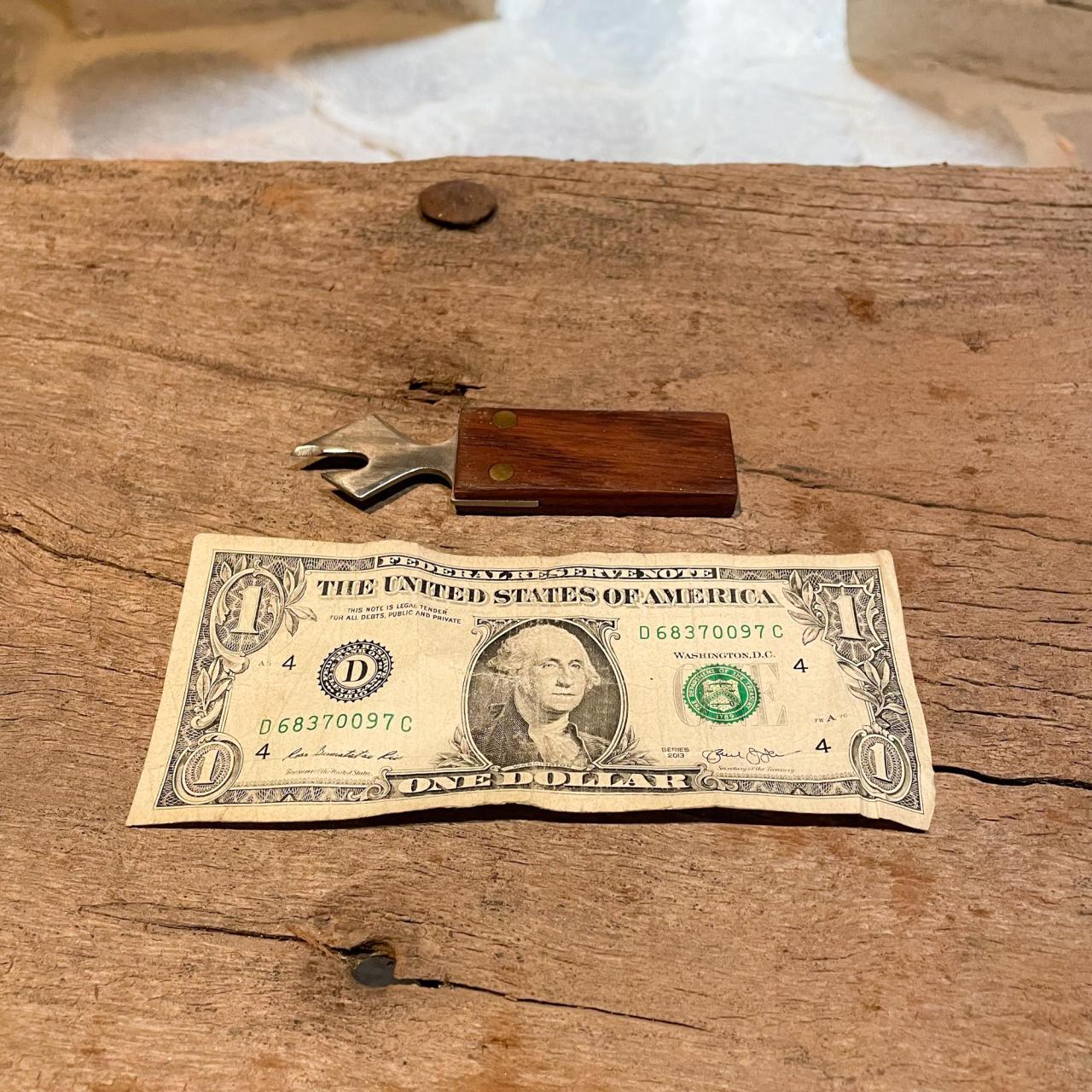
The Japanese bottle opener aesthetic, characterized by its minimalist form, meticulous craftsmanship, and often subtle cultural references, stands apart in the broader design landscape. Comparing it to other bottle opener styles reveals unique strengths and highlights its distinctive features. This analysis scrutinizes the similarities and differences between Japanese aesthetics and others, exploring the elements that set it apart.
Contrasting Bottle Opener Aesthetics
Japanese design often emphasizes harmony, balance, and the natural world. This contrasts with other styles that might prioritize bold statements, complex geometries, or overtly symbolic representations. For instance, a European-style bottle opener might feature intricate engravings or a robust, almost militaristic form, while a Japanese design might focus on the clean lines of a single, precisely crafted piece.
The emphasis on practicality and understated elegance differentiates the Japanese aesthetic.
Similarities and Differences
Both Japanese and Scandinavian designs often value simplicity and functionality. However, the underlying philosophy differs. Scandinavian design often prioritizes clean lines and a focus on user experience, with a clear emphasis on materiality and sustainability. Japanese aesthetics often incorporate a deeper sense of cultural context, historical references, and a subtle respect for the materials employed. This subtle interplay between practicality and cultural meaning is a key differentiator.
Unique Qualities of the Japanese Aesthetic
The Japanese bottle opener aesthetic often incorporates traditional Japanese motifs, such as the use of natural materials like bamboo or cherry wood. These elements subtly connect the design to the cultural heritage of Japan. The design philosophy prioritizes a seamless integration of form and function, creating a product that is not only practical but also visually appealing. This focus on the interplay between form and function, and the use of traditional materials, is a defining characteristic that distinguishes it from other styles.
Elements Distinguishing the Japanese Style
The Japanese bottle opener aesthetic is characterized by a strong sense of minimalism, often incorporating smooth, flowing lines and a deliberate avoidance of excess ornamentation. The choice of materials often reflects a deep respect for nature and its inherent beauty. This emphasis on restraint, coupled with the incorporation of cultural references, sets it apart from other styles that may emphasize grand gestures or overt symbolism.
This approach to materials and form results in a product that is both visually appealing and profoundly functional.
Comparative Table: Japanese vs. Scandinavian Bottle Openers
| Characteristic | Japanese Aesthetic | Scandinavian Aesthetic |
|---|---|---|
| Form | Minimalist, flowing lines, often incorporating natural curves; emphasis on balance and harmony. | Clean, geometric lines, functional and streamlined forms; focus on simplicity and clarity. |
| Materials | Often natural materials like bamboo, cherry wood, or metal with a subtle patina; focus on the inherent beauty of the material. | Often sustainable materials like wood, steel, or recycled plastics; focus on material’s durability and environmental impact. |
| Function | Prioritizes functionality and ease of use; design is seamlessly integrated with the product’s purpose. | Prioritizes user experience and ergonomics; form follows function with a clear focus on usability. |
| Cultural Context | Often incorporates subtle cultural references and motifs; emphasizes a connection to Japanese tradition. | Emphasizes universal appeal and a focus on the user experience, with a design language that transcends specific cultural contexts. |
Ending Remarks
In conclusion, the Japanese bottle opener aesthetic is more than just an object; it’s a testament to a rich cultural heritage and a commitment to meticulous design. The combination of historical influences, contemporary interpretations, and a focus on functionality and usability makes this aesthetic a captivating study in design philosophy. Its enduring appeal and potential for future applications across various design fields suggest its continued relevance and influence.
